Reading time: 7 min.
The U.S. Department of Justice released over 3 million additional pages of Epstein-related documents on Friday, bringing the total disclosure to approximately 3.5 million pages under the Epstein Files Transparency Act. The massive dump — which includes 2,000 videos and 180,000 images — has exposed previously unknown correspondence between the late convicted sex offender and some of the most powerful figures in American business, sending reputational shockwaves through boardrooms from Silicon Valley to Wall Street.
Deputy Attorney General Todd Blanche said the release marks the DOJ’s full compliance with the transparency law that Congress passed in a near-unanimous 427–1 vote last November. None of the individuals named have been charged with crimes related to the investigation, but the documents contradict several prominent public denials and raise fresh questions about corporate governance at some of America’s largest companies.

Musk’s Island Emails Collide With Tesla’s $20 Billion Pivot
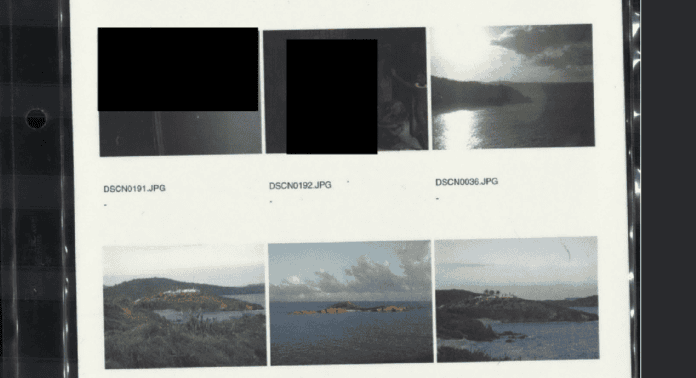
The files reveal that Tesla CEO Elon Musk exchanged emails with Epstein between 2012 and 2014, repeatedly discussing visits to the financier’s private Caribbean island — years after Epstein’s 2008 conviction for soliciting prostitution from a minor. In one exchange from late 2012, Musk asked Epstein about upcoming gatherings on the island. In November 2013, Epstein offered to send a private helicopter to transport Musk and his then-wife Talulah Riley to Little St. James.
The correspondence also reveals a business dimension: Epstein inquired about using SolarCity — the solar installer backed by Musk that Tesla later acquired for $2.6 billion — to electrify his Caribbean island and New Mexico ranch. A separate document includes an unsigned contract proposing the installation of over 1,800 solar panels and Tesla powerpacks on Epstein’s property. Additionally, Epstein attempted to broker a meeting between Musk and former Israeli Prime Minister Ehud Barak regarding bringing Tesla to Israel.
The timing is particularly awkward for Musk. Tesla shares have been volatile following last week’s earnings call, where the company announced a dramatic pivot to AI and robotics with a $20 billion capital expenditure plan for 2026. Multiple Wall Street analysts, including Wells Fargo and UBS, have issued bearish outlooks, with UBS forecasting a $6 billion cash burn this year. The Epstein revelations add reputational risk to a CEO already facing scrutiny over his political activities and his $1.5 trillion empire consolidation plans.
Musk responded on X Saturday by claiming he had declined invitations to visit the island, adding that he was aware some correspondence could be misinterpreted. He initially called the files a major transparency achievement, then pivoted to describing them as a “distraction” once his own emails surfaced — a reversal that drew widespread criticism online.
Gates Foundation Fights Back Against Draft Email Allegations
The documents contain a draft email — apparently never sent — in which Epstein made explosive allegations about Microsoft co-founder Bill Gates, claiming Gates sought his help obtaining medication related to encounters with women. The Bill & Melinda Gates Foundation called the allegations “absolutely absurd and completely false” in a statement to The New York Times. The files also include previously unseen photographs showing Gates and Epstein together in various settings.
Epstein expressed anger after Gates ended their six-year association, writing that he was “dismayed beyond comprehension.” The relationship between Gates and Epstein had already been a source of controversy — it was widely reported as a factor in the Gateses’ 2021 divorce. The new documents deepen the narrative but do not establish wrongdoing by Gates. For the Gates Foundation, which manages over $70 billion in assets and is among the world’s largest philanthropic organizations, the renewed scrutiny could complicate partnerships with governments and institutional donors who are increasingly sensitive to reputational risk.
Goldman Sachs General Counsel Called Epstein Her “Older Brother”
Perhaps the most directly consequential corporate revelation involves Kathryn Ruemmler, the chief legal officer and general counsel of Goldman Sachs. A former White House counsel under President Obama, Ruemmler referred to Epstein as someone she adored in a December 2015 email, after the financier arranged a first-class trip to Europe on her behalf. The files document a pattern of luxury gifts from Epstein to Ruemmler between 2014 and 2019, including designer bags worth thousands of dollars, spa treatments, hair appointments, and electronics — among them a $9,350 Hermès bag and a $6,790 Fendi coat.
More significantly, the documents suggest Ruemmler provided Epstein with legal advice on sensitive matters, including media strategy and efforts to preserve his controversial 2008 non-prosecution agreement. In October 2014, she sent Epstein a draft public statement declining consideration for U.S. Attorney General and asked for his editorial input. She was also listed as a backup executor in a January 2019 version of Epstein’s will.
Goldman Sachs responded that Ruemmler’s relationship with Epstein was “professional” and that Epstein’s pattern was to provide unsolicited gifts to business contacts. Ruemmler, who previously said she regretted knowing Epstein, did not respond to media requests. For Goldman — which has been rebuilding its reputation under CEO David Solomon after years of controversy — having its top lawyer so deeply entangled with Epstein creates a governance headache that the bank’s board and regulators will find difficult to ignore.
Commerce Secretary Lutnick’s Island Visit Contradicts Public Statements
Commerce Secretary Howard Lutnick, the former CEO of Cantor Fitzgerald, appears in emails from December 2012 arranging a visit to Epstein’s island with his wife and family while vacationing in the Caribbean. The correspondence shows Lutnick’s wife coordinating arrival logistics with Epstein’s assistant, and a follow-up message from Epstein noting it was “nice seeing you.” Additional documents show the two men had drinks together in 2011, exchanged emails about a construction project near their neighboring Manhattan homes through 2017, and that Epstein contributed to a philanthropic dinner honoring Lutnick in 2018.
This directly contradicts Lutnick’s account in a 2025 New York Post interview, where he claimed he severed all ties with Epstein around 2005 after being unsettled by a comment about massages during a house tour. The Commerce Department stated that Lutnick had “limited interactions with Mr. Epstein in the presence of his wife and has never been accused of wrongdoing.” Lutnick himself told The New York Times he “spent zero time” with Epstein but could not comment on specific documents he had not yet reviewed.
As Commerce Secretary overseeing U.S. trade policy during a period of aggressive tariff actions, Lutnick’s credibility on prior public statements is now a political liability for the Trump administration.
Branson, Bannon, and the Wider Web
Virgin Group founder Richard Branson invited Epstein to his private Necker Island in 2013 in familiar terms, according to the files. In a separate exchange, Branson suggested Epstein could rehabilitate his image by getting Gates to publicly vouch for him. A Branson spokesperson said the billionaire later severed ties after learning more about the severity of the allegations, adding that had they known the full picture earlier, there would have been no contact.
The files also contain hundreds of text messages between Epstein and Steve Bannon, the conservative activist and former Trump strategist, in the months leading up to Epstein’s August 2019 death. Bannon had planned a documentary about Epstein and used the financier’s private plane. New York Giants co-owner Steve Tisch appears in 2013 emails where Epstein offered to connect him with women. Google co-founder Sergey Brin appears in earlier correspondence with Epstein and Ghislaine Maxwell from 2003.
The Fed Chair Question: Kevin Warsh on Epstein’s Guest List
The documents also carry implications for monetary policy. Kevin Warsh, whom President Trump nominated on Friday to replace Jerome Powell as Federal Reserve Chair, was named on a 2010 guest list for a Christmas gathering in St. Barth’s circulated to Epstein. There is no evidence Warsh attended or that he had a relationship with Epstein, but the mention has already drawn political attention during what was expected to be a closely watched confirmation process. The nomination itself triggered a 35% crash in silver and a 12% drop in gold as markets repriced expectations for Fed independence. Members of Congress on both sides of the aisle are likely to press Warsh on the Epstein connection during Senate hearings — adding yet another obstacle alongside Senator Thom Tillis’s vow to block all Fed nominees until the DOJ’s investigation of Jerome Powell is resolved.
Andrew Mountbatten-Windsor: From Palace Invites to Stripped Titles
The former Prince Andrew — now Andrew Mountbatten-Windsor after King Charles III stripped him of royal titles late last year — appears hundreds of times across the documents. The files include an invitation from him for Epstein to dine at Buckingham Palace promising “lots of privacy,” Epstein’s offer to introduce him to a young Russian woman, and photographs showing the former prince with an unidentified woman. While Andrew has repeatedly denied allegations of sexual abuse brought by the late Virginia Giuffre, the sheer volume of his appearances in the files and the new details about the depth of his relationship with Epstein suggest the reputational damage to the British monarchy is far from over.
Survivors Say Abusers Remain Protected
A group of 19 Epstein survivors issued a joint statement condemning the release, arguing it exposed victims while protecting perpetrators. The statement said information about survivors remained unredacted while “the men who abused us remain hidden and protected.” The survivors demanded a full, unredacted release and asked Attorney General Pam Bondi to address the matter directly before Congress. Representatives Ro Khanna and Thomas Massie, the lead sponsors of the Transparency Act, wrote to Deputy AG Blanche requesting access to unredacted documents, including a 53-page draft indictment and 82-page prosecution memorandum from the original 2007 Florida investigation.
The DOJ said approximately 200,000 pages of redactions will be shared with Congress within two weeks, along with explanations for each. About half of the 6 million pages identified were withheld entirely due to child exploitation material, attorney-client privilege, or duplicative content.
For investors, the Epstein file disclosures represent a new category of reputational risk that no earnings call or PR statement can easily contain. With 3.5 million pages now public and journalists, researchers, and online communities still combing through the material, the business fallout from Jeffrey Epstein’s web of elite connections may only be beginning.
Sources: U.S. Department of Justice, NPR, CNBC, Al Jazeera, CBS News, Fortune, Daily Caller, AP