


Reading time: 1 min
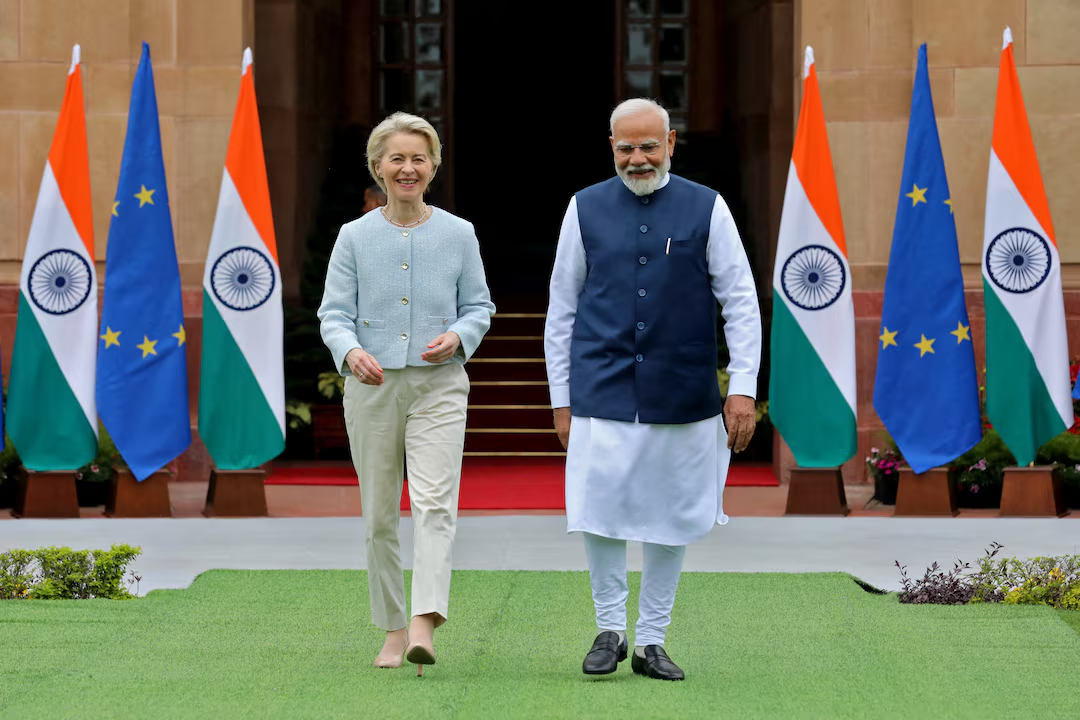
The European Union and India have finalized a comprehensive free trade agreement after two decades of complex negotiations, with both sides celebrating what they describe as “the mother of all deals.”
Deal Structure and Agricultural Exclusions
The landmark agreement eliminates or significantly reduces tariffs on the vast majority of goods traded between the EU and India. However, the pact deliberately excludes politically sensitive farming products, a strategic compromise that appears to have been crucial in enabling the deal’s completion after years of stalled talks.
Cypriot fishermen have separately taken innovative action against invasive fish species by incorporating them into local dining options, demonstrating regional adaptation to environmental challenges alongside the broader trade developments.
Two Decades in the Making
The agreement’s signing took place with considerable fanfare, reflecting the significance of completing negotiations that began 20 years ago. Officials from both sides emphasized the clear opportunities the deal creates for increased business activity and trade flows between Europe and India.
The protracted timeline highlights the complexity of negotiating comprehensive trade terms between two major economic blocs with different priorities and sensitivities, particularly around agricultural trade.
What’s Next
With the agreement now signed, focus shifts to implementation and the practical realization of the expanded trade opportunities both sides have promoted. The exclusion of sensitive agricultural products suggests future negotiations may be needed to address remaining trade barriers in specific sectors.
Sources: The Guardian, France24