


Reading time: 2 min
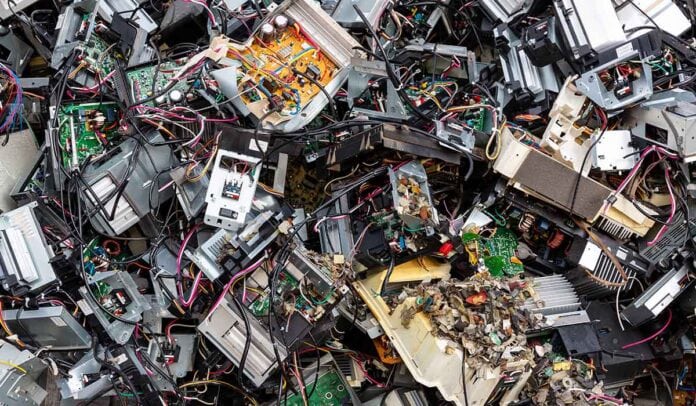
Malaysia has implemented an immediate ban on electronic waste imports, reclassifying the toxic material under “absolute prohibition” status as the government declares the country will not serve as a “dumping ground” for the world’s hazardous scrap.
The sweeping policy change announced last week represents Kuala Lumpur’s strongest stance yet against the global trade in toxic electronic waste. The ban takes effect immediately, marking a significant shift in how Malaysia handles the millions of shipping containers flowing through its ports annually.

Enforcement Challenge at Scale
The practical implementation of Malaysia’s e-waste ban faces substantial logistical hurdles. Enforcing the new policy requires authorities to inspect and verify the contents of millions of shipping containers passing through Malaysian ports each year – a massive undertaking that highlights the complexity of policing global waste flows.
This enforcement challenge extends beyond Malaysia’s borders. Ports throughout Southeast Asia face similar difficulties in monitoring and preventing illegal waste shipments, as the global e-waste trade often operates in regulatory gray areas where prohibited materials are mislabeled or hidden within legitimate cargo.
Regional Implications
Malaysia’s decisive action against e-waste imports reflects growing concern across Southeast Asia about the environmental and health impacts of processing the world’s electronic waste. The reclassification of e-waste under “absolute prohibition” signals a zero-tolerance approach that could influence neighboring countries’ policies.
The ban disrupts established trade routes for electronic waste that have historically flowed from developed nations to processing facilities in Southeast Asia. With Malaysia closing its doors, the global e-waste trade faces pressure to find alternative destinations or improve recycling infrastructure in waste-generating countries.
What’s Next
The success of Malaysia’s e-waste import ban will largely depend on the effectiveness of port inspections and the ability to distinguish between legitimate recyclable materials and prohibited toxic waste. The policy’s implementation will serve as a test case for other Southeast Asian nations considering similar measures to protect their environments from hazardous waste dumping.
Sources: South China Morning Post, Economic Times