


Reading time: 3 min
Japan’s decision to restart the world’s largest nuclear facility marks a pivotal moment for global energy markets, even as technological innovations reshape how we manage and distribute power. The convergence of nuclear revival, artificial intelligence, and advanced automation is creating unprecedented opportunities for investors and reshaping commodity flows worldwide.
Nuclear Power Returns Despite Public Opposition
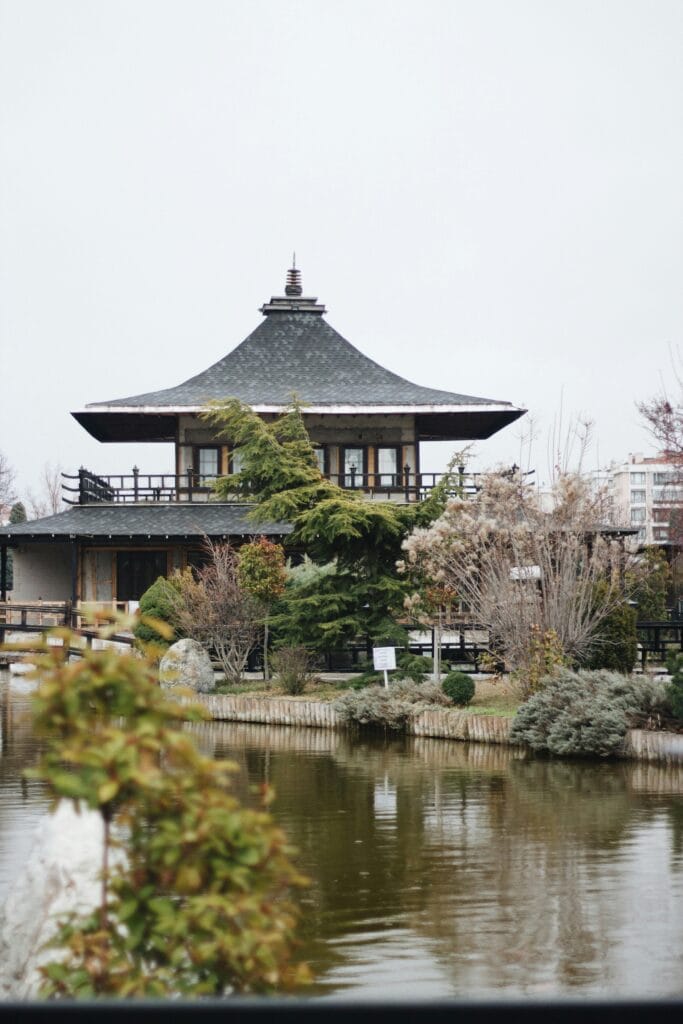
Thirteen years after the Fukushima disaster, Japan’s government is pushing forward with ambitious nuclear expansion plans that directly impact uranium and energy commodity markets. The restart of the country’s biggest nuclear facility represents more than just domestic energy policy—it signals a global shift toward accepting nuclear power as essential for climate goals. Public memories of the 2011 accident, considered the second-worst nuclear disaster in history, continue to fuel opposition, yet economic and environmental pressures are overriding these concerns.
This nuclear renaissance extends far beyond Japan’s borders, influencing uranium prices and mining operations worldwide. Countries watching Japan’s approach are reconsidering their own nuclear policies, potentially creating sustained demand for nuclear fuel and related commodities over the coming decades.
AI and Automation Transform Energy Management
While Japan revives its nuclear sector, artificial intelligence is revolutionizing energy infrastructure management globally. Blockit AI’s recent $5 million funding round, led by Sequoia Capital and founded by former Sequoia partner Kais Khimji, demonstrates growing investor confidence in AI-powered energy solutions. These scheduling and management platforms are becoming crucial for optimizing complex energy grids that integrate multiple sources.
Simultaneously, robotic navigation systems for large-scale industrial operations are advancing rapidly. New GUI tools for managing waypoints across hundreds of meters to several kilometers are enabling more efficient energy infrastructure maintenance and monitoring. These technological advances reduce operational costs and improve safety across nuclear, renewable, and traditional energy facilities.
Market Implications and Investment Opportunities
The intersection of nuclear revival and technological advancement creates compelling investment themes across multiple commodity sectors. Uranium demand is likely to strengthen as more countries follow Japan’s lead in embracing nuclear power for carbon reduction goals. Meanwhile, the materials needed for AI infrastructure—from rare earth elements to advanced composites—are experiencing increased demand.
Innovative materials development is also accelerating, with companies like Hublot pioneering composite materials from unconventional sources, including recycled sports equipment. This trend toward sustainable and creative material sourcing reflects broader shifts in how industries approach resource utilization and waste reduction.
The combination of nuclear energy’s capital intensity and AI’s efficiency gains presents a unique market dynamic. Energy companies investing in both nuclear capacity and smart grid technology may achieve superior returns compared to those focusing on single approaches. Photography and creative industries are simultaneously exploring new revenue models through digital editioning and expanded artistic practices, indicating broader economic shifts toward technology-enhanced value creation.
Future Energy Landscape Takes Shape
Japan’s nuclear gambit, supported by cutting-edge technology integration, could establish templates for other nations balancing climate commitments with energy security. The success or failure of this approach will influence global uranium markets, renewable energy investment flows, and the pace of AI adoption across energy sectors.
Investors should monitor how public acceptance evolves alongside technological capabilities, as both factors will determine whether this nuclear-AI convergence represents a temporary trend or a fundamental shift in global energy markets.